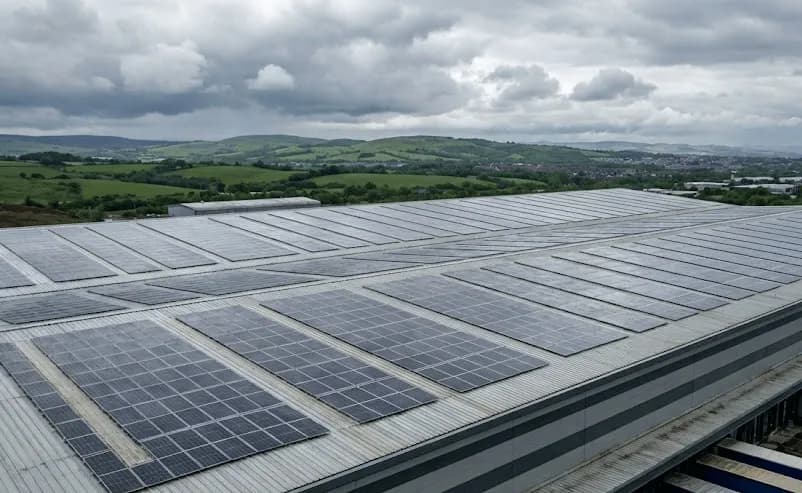
Is Commercial Solar Worth It for Scottish Businesses?
The honest numbers on commercial solar in Scotland — tax relief, business rates exemption, payback periods and what the industry reports actually say.
JME Green Energy
JME Green Energy Team
Business owners often get lost in the details when looking at solar. The idea sounds good: lower energy bills, greener footprint, energy independence. But where do you begin?
We’ve analysed the documents, tax guidance and industry reports to have a clear understanding of what Scottish businesses should be paying attention to. So, let’s sift through the nonsense and see what actually matters. (Already past the research stage? Our commercial solar design and installation service covers the whole of Central Scotland.)
Most commercial installs in Scotland no longer need planning permission.
Claim 100% of costs against pre-tax profits with Annual Investment Allowance.
Exempt from non-domestic rates increases until 2035.
Typically 4-7 years, with 14-20% ROI for most businesses.
Generates ~850-950 kWh/m² annually - plenty for viable savings.
Here’s The Good News…
Scotland has recently made things a lot easier with the Scottish Government overhauling the permitted development rights for solar installations, essentially meaning you don’t need planning permission anymore.
Previously, anything over 50kW required full planning permission. Fortunately… That’s not the case anymore. The only exceptions are for World Heritage sites and listed buildings.
Additionally, they’ve allowed free standing solar panels up to 12 square metres on business grounds and lessened restrictions on solar canopies, so even more options for you.
So, What About The Tax?
Ah, the dreaded tax… Bear with me, this could genuinely save your business a good bit of money.
How does a deduction of 100% of your solar installation costs from pre tax profits sound? This is where the Annual Investment Allowance (AIA) comes in. There is a limit set at £1 million, this covers just about any commercial solar installation you’re likely to consider.
You’d be looking at getting around a quarter of the cost back straight away with the current 25% corporation tax rate. For example, an £80,000 solar install could shave £20,000 off your tax bill that same year.
However, If you are looking for a larger project costing over £1 million, there is a 50% First Year Allowance that you can claim on the excess. The government recently made this allowance permanent, so for the first time in years you can plan your large scale projects without worrying about tax deadlines.
Business Rates? What Business Rates? 🤷♂️
The industry campaigned hard for a change that will bring a smile to your face. Removing a hidden cost that used to make solar installs look less attractive.
This change is something that a lot of businesses don’t realise. Solar Installations in Scotland are exempt from non-domestic rates until 2035, meaning if you’ve put solar panels on your roof you don’t have to worry about paying anything extra on your rates for the next ten years.
What About VAT?
When it comes to commercial solar, business owners aren’t quite as lucky as homeowners.
You may have heard of the 0% VAT on solar panels. That is true, but it only applies to residential properties and charities (who get 0% VAT until March 2027). Unfortunately, for commercial installations, the standard 20% VAT applies.
But here is the silver lining: If your business is VAT registered, you can reclaim that 20% anyway. So, it’s not really a cost—it’s just something to account for in your cash flow planning.
Let’s Talk Numbers
For systems of around 1-50kW (small systems), these run about £1,000 to £1,400 per kW. The cost per unit is higher because of installer fees. Medium systems (50-250kW) work out cheaper per kW at around £800-£1,100. Systems bigger than 250kW (large systems) again work out cheaper at £700-£900 per kW.
For small to medium businesses, the total cost can range between £16,000 and £60,000.
Current figures suggest that the payback period for most commercial installations is around 4-7 years; then you’re looking at generating free electricity for another 18-20 years. Your return on investment works out around 14-20%—making it a solid investment.
If your business is more energy intensive, you will see quicker returns. For commercial properties like warehouses and manufacturing buildings, the payback period is closer to 3-6 years because they’re using more power.
And… Scottish Weather?
It is a common question, but there is no need for concern.
Scotland still receives roughly 850-950 kWh of solar energy per square metre each year. While you might need slightly more panels than a business down south to hit the same total output, the equipment costs are the same, the tax relief is the same, and crucially—you have that business rates exemption.
A typical 5kW system in Scotland produces around 4,500 kWh annually. This beats buying electricity from the grid at roughly 27p per unit, saving you over £1,000 a year on that system alone.
Selling Excess Power Back
The Smart Export Guarantee (SEG) allows you to sell surplus electricity back to the grid.
You can get prices from suppliers like E.ON at around 8.5p per kWh on their commercial tariff. For context, the electricity you buy from the grid is typically costing you around 20-25p per kWh (or more).
This highlights an important point: the real savings come from the power that you use, rather than the power you export.
Still, it’s nice to know you don’t have to waste the energy you generate. The Smart Export Guarantee scheme covers installations of up to 5MW (which is plenty for almost any SME) across England, Scotland, and Wales.
Scotland doesn't have MEES regulations
In England and Wales commercial landlords are required to hit a certain EPC rating. This comes from the Minimum Energy Efficiency Standards. South of the border, they are preparing for EPC B requirements by 2030.
Currently in Scotland we have Section 63 for larger buildings over 1,000 square metres and new EPC regulations due to come into effect in October 2026. However, there is no minimum standard that must be met.
Tenants are increasingly caring about energy costs, so it is still valuable to improve your EPC. Plus a solar installation makes your property more attractive regardless of regulations.
Tips On Getting The Job Done
First a non-negotiable, if you want access to the Smart Export Guarantee, you have to have an MCS certified installer. This also ensures that you are compliant with the requirements to connect to the grid.
Next, you are going to need to get approval from your Distribution Network Operator. In Scotland the people responsible for this are either SP Energy Networks if you're in the Central Belt or South, or Scottish and Southern Electricity Networks up North and in the Islands.
Look for a reputable installer, do your homework. Ask for quotes and advice. It will pay in the long run should you get the right installer, helping to avoid delays and potential problems further down the line.
So, Is It Worth It?
Commercial solar in Scotland is looking like a good investment.
We now have the planning barriers lifted, business rates won’t increase, tax relief covers a good portion of the costs, and the payback periods are the shortest they have ever been.
It may not be the right choice for every business. You’re going to want your roof facing anywhere other than North and ideally not in too much shadow. But for most commercial properties with decent exposure to the sun and enough roof space, it is usually worth the investment.
There’s never been a better time for commercial properties to get solar.
Ready to Switch to Commercial Solar?
Get a free, no-obligation proposal for your business today.
Get Your Free QuoteFrequently Asked Questions
Common questions about commercial solar in Scotland
Related Articles
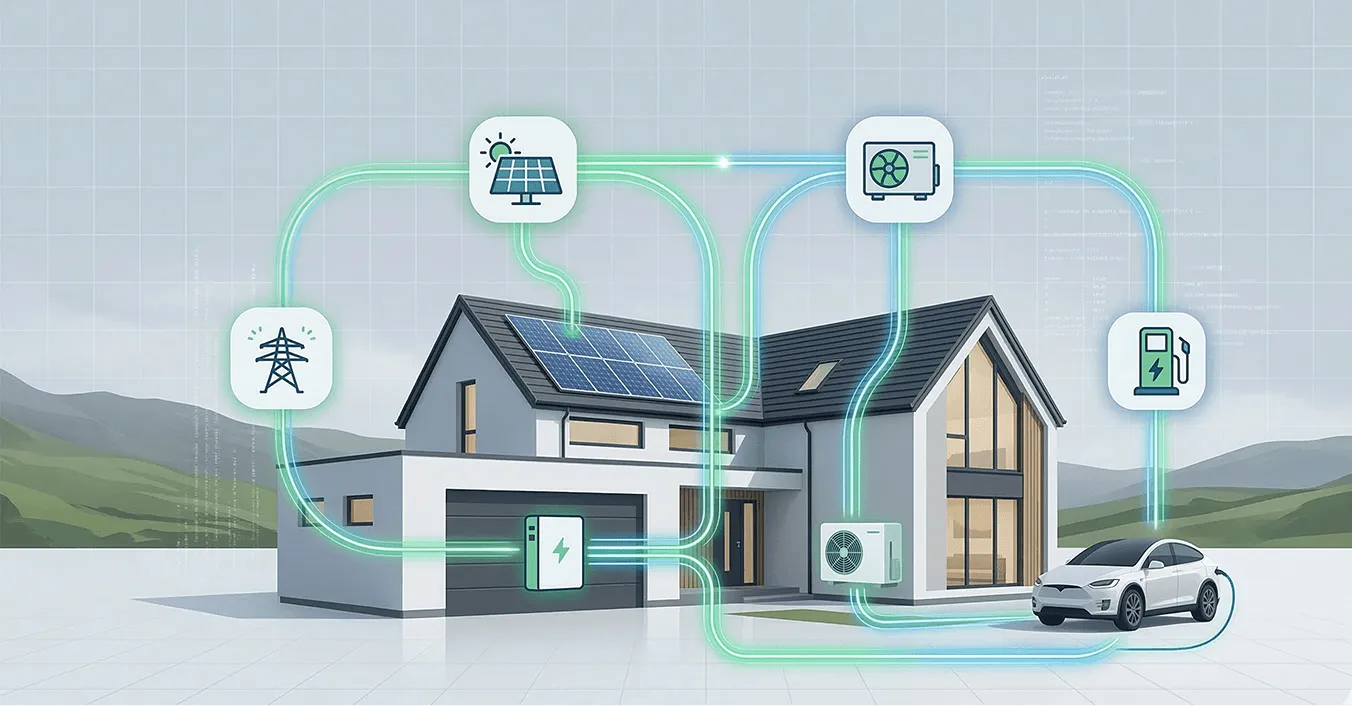
Heat Pumps in Scotland: The Bit Nobody’s Joining Up
Why heat pumps in Scotland work best when solar panels, battery storage and heating controls are designed as one joined-...
Solar Panel Grants in Scotland 2026: What You Can Actually Get
Home Energy Scotland stopped funding solar and batteries in June 2024. What's left in 2026: means-tested schemes, landlo...
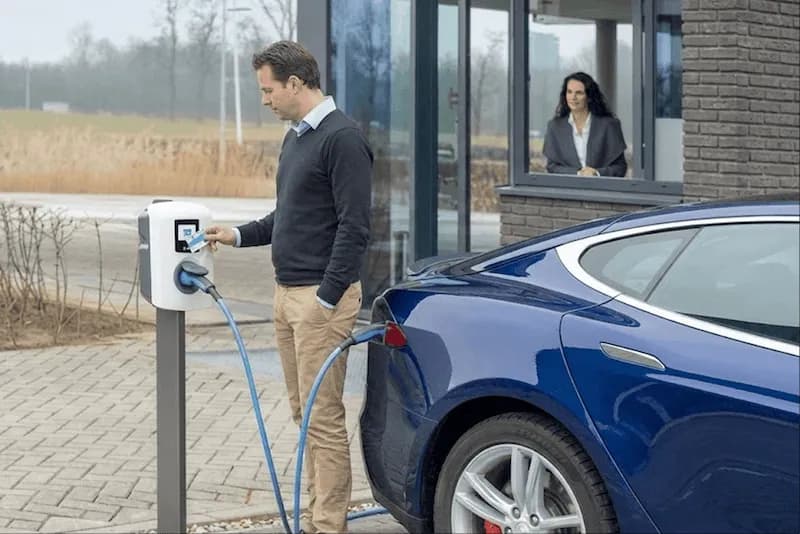
Business EV Charging: Stop Wasting Money on Fuel
A current guide to commercial EV charging in Scotland, including the Workplace Charging Scheme, tax allowances, charger ...