
Battery storage installers

Home Battery Storage Installation in Central Scotland

We survey, design and install home batteries: added to the solar panels you already have, fitted alongside new panels, or on their own. Including Tesla Powerwall 3.

  • MCS certified for battery storage
  • Tesla Certified Installer for Powerwall
  • NAPIT registered electricians
  • Based in Dunblane, Stirlingshire

Battery installation across Stirling, Falkirk, Edinburgh and Central Scotland.

Tesla Certified Installer
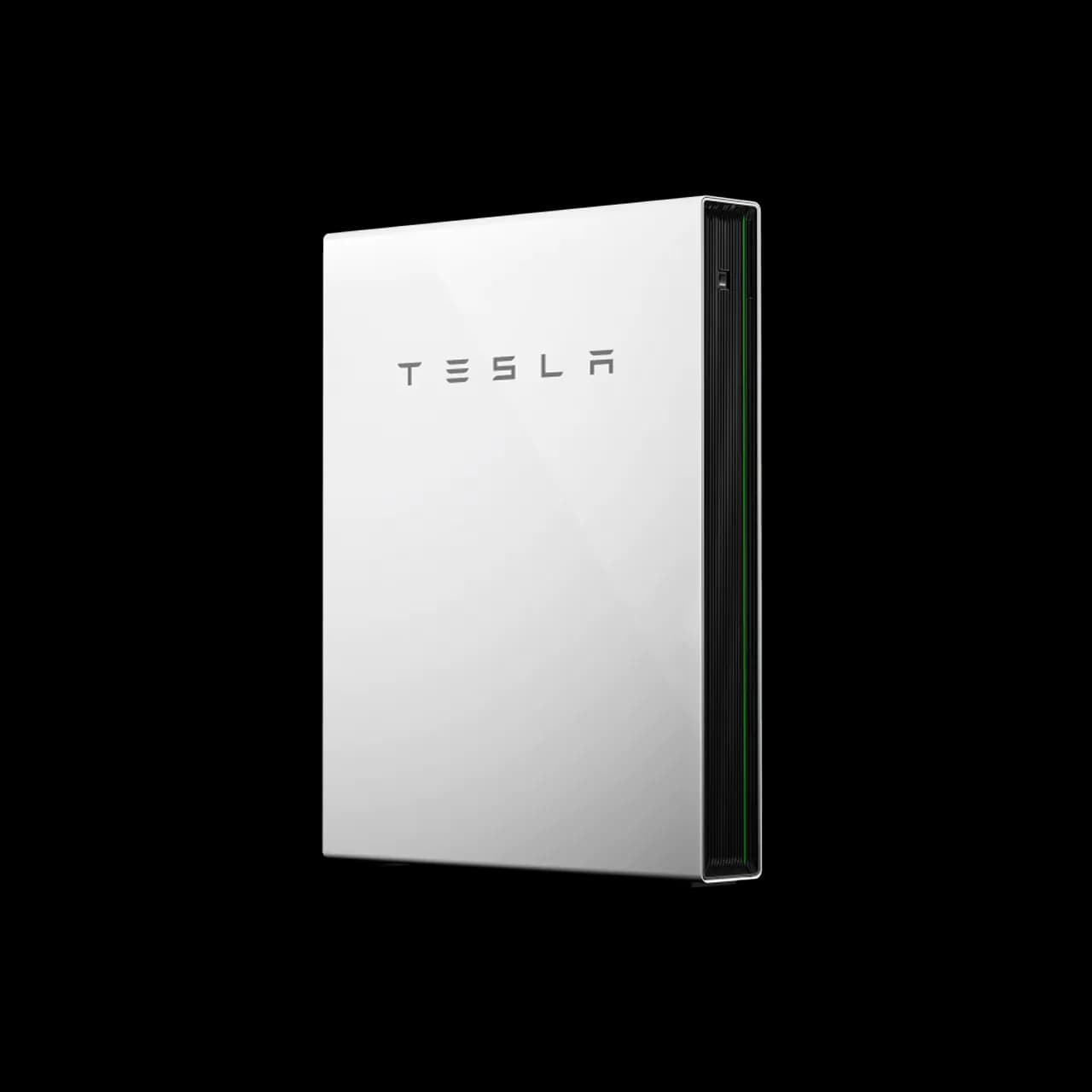
Tesla Powerwall home battery

Tesla Powerwall installation

And other established battery brands

Who Installs Your Battery

A home battery is an electrical installation as much as a product. These are the registrations behind ours, and where you can check them yourself.

MCS certified for battery storage

Our MCS certification, assessed through NAPIT, includes battery storage installation. Its scope covers all-in-one batteries and systems with a separate battery and inverter (MCS energy-storage classes 1 to 3), and comes with TrustMark registration.

See our NAPIT register entry(opens in a new tab)

Tesla Certified Installer for Powerwall

We're in Tesla's Certified Installer finder for Powerwall, where Tesla lists us as 'JM Electrical Services'. Search it with your postcode to see us alongside other local installers.

Open Tesla's installer finder(opens in a new tab)

NAPIT registered electricians

The same NAPIT registration covers domestic electrical installation, so the battery and the cabling and protection around it are installed under one registration.

Check our NAPIT registration(opens in a new tab)

Which Battery Installation Do You Need?

Most homes fall into one of three situations. The survey confirms which, and what your existing equipment allows.

Adding a Battery to Existing Solar

If you already have solar panels, a battery can usually be added without replacing them. An AC-coupled battery has its own inverter and connects alongside your existing solar inverter. We check how your panels, inverter and supply fit together at the survey.

On the Feed-in Tariff?

Your FIT supplier has to be told when a battery is added, and the metering must keep recording only what the panels generate. Depending on the set-up, FIT payments can be affected, so mention your FIT arrangement when you enquire. Ofgem's storage guidance (PDF, opens in a new tab)


New Solar Panels with a Battery

Installing both together lets one hybrid inverter run the panels and the battery: fewer units on the wall, and less energy lost converting between them. Tesla Powerwall 3 works this way, with its solar inverter built in. Our solar panel installation page covers the panels.

A Battery Without Solar

A battery can charge from the grid when electricity is cheaper and power your home when it's dearer. Whether that pays depends on your tariff, how much you use at peak times and the energy lost charging and discharging. Home Energy Scotland notes that a battery doesn't always recoup its cost, so we look at your usage and tariff before recommending one. Our battery VAT and savings guide works through the numbers.

Tesla Powerwall 3 Installation

As a Tesla Certified Installer for Powerwall, we install Powerwall 3 on its own, alongside existing solar panels, or as part of a new solar system. It combines a 13.5 kWh battery with a built-in solar inverter.

It suits homes that want a high-output battery with solar built in. Where budget, space, an existing inverter or backup needs point to another battery, we'll recommend that instead. Every installation is priced after a survey.

Usable energy
13.5 kWh
Solar inverter
Built in: 3 MPPTs, up to 20 kW of solar panels (STC)
Power output
Configurable from 3.68 kW up to 11.04 kW on a single-phase supply, set at design to suit your supply and what the network operator approves
Backup
Needs Tesla's Backup Gateway 2; what it backs up is agreed at design
Expansion
Up to 4 Powerwall 3 units, plus up to 3 Expansion units (7 units in all)
Where it goes
Indoor or outdoor rated (IP67 battery and power electronics), wall or floor mounted. 1105 × 609 × 193 mm, 130 kg
Tesla warranty
10 years, provided the Powerwall stays reliably connected to the internet

Source: Tesla Powerwall 3 datasheet, UK, 2026 (PDF, opens in a new tab). Specifications can change; your quote confirms the exact equipment.

What a Battery Installation Involves

The parts of the job worth understanding before you compare quotes.

  • Survey and location

    We look at where the battery can go (inside or out, on a wall or the floor) against the manufacturer's installation requirements, access, ventilation and fire safety, and check your electrical supply.

  • Sized from your usage

    Storage (kWh) and power output (kW) are matched to when you use electricity, your solar generation if you have it, and any plans for an EV or heat pump.

  • Backup, if you want it

    Not every battery keeps the power on in a cut. Backup has to be designed in, with extra equipment (for Powerwall 3, Tesla's Backup Gateway 2) and a decision about which circuits it covers. Tell us at the survey if it matters to you.

  • Network operator notification

    Every grid-connected battery has to be registered with your distribution network operator (DNO). Which route applies is worked out from the proposed installation and its connection. Under "connect and notify", the installer notifies the DNO within 28 days of installation. Under "apply to connect", the application goes to the DNO before installation and needs its approval first. GOV.UK guidance makes the owner responsible for checking the DNO has been notified, or has given approval before the work is done.

    GOV.UK guidance on registering energy devices (opens in a new tab)
  • Commissioning and handover

    We commission the system, set up monitoring in the manufacturer's app and show you how it works before we leave.

Tailored For You

Choosing the Right
Battery For Your Home

A one-size-fits-all approach doesn't work. Getting the battery size and type right is crucial for maximizing your savings. We analyze three key areas to design your perfect system.

Your Daily Energy Needs

We start by analyzing your electricity bills to understand how much power your family uses daily, and just as importantly, when you use it (e.g., mostly in the evenings).

Your Power Sources

The ideal battery depends on your energy sources. Are you storing excess power from solar panels, charging from cheap off-peak grid electricity, or both?

Your Future Goals

We consider your long-term plans. Are you thinking of getting an EV or a heat pump in the future? Where that matters, we choose a battery that can be expanded later.

Our System Design Checklist

We analyze these factors and more to recommend the perfect, most cost-effective battery for you:

Battery Capacity (kWh)
Power Discharge Rate (kW)
Round-Trip Efficiency
Battery Chemistry & Safety (LiFePO4)
Smart Tariff Integration
Warranty & Manufacturer Support
Physical Location & Safety
Expert Insights

An Engineer's
Honest Advice

Transparency is key to a successful installation. Understanding these two points will help you get the most out of your new battery system.

Understanding Your Battery's Power Output

A battery's total capacity (kWh) is different from its instant power output (kW). A 13.5kWh battery might have a 5kW output, which is perfect for most homes but wouldn't power a 10kW electric shower on its own. We design your system around these real-world needs to ensure you always have the power you expect, when you expect it.

Installation Safety is Non-Negotiable

Your family's safety is our highest priority. We carefully assess the best location for your battery, ensuring it's well-ventilated and never obstructs fire escape routes. The battery is installed to the manufacturer's requirements and current UK wiring regulations.

Battery Storage Options for Scottish Homes

We are independent installers, so the recommendation is based on your home, usage, budget, and the support route available at the time of quote.

New Battery Installations

We install and advise on home battery storage systems from established manufacturers, with the right option recommended around your property, usage, budget, and long-term support needs.

Existing GivEnergy Systems

If you already have a GivEnergy battery installed, your system should continue operating, but manufacturer warranty and support arrangements have changed following GivEnergy Ltd entering administration. JME can help existing customers check their setup, understand software access options, and decide the best next step.

Our Simple Process

How Your Battery
Gets Installed

We make upgrading your home with battery storage a smooth and transparent process. Here's our simple 4-step journey from start to finish.

1. Consultation & Quote

It starts with a simple, no-obligation chat. We'll discuss your goals, analyse your energy use, and provide a clear quote for a battery system sized around your home.

2. System Design

Once you're happy, our experts design the full installation, showing exactly how the battery will integrate with your existing solar and electrical system.

3. Expert Installation

We install and connect the battery to the agreed design, working cleanly to keep disruption to a minimum.

4. Power On & Support

We'll commission your system, show you how to monitor it through the app, and remain available if you need help after installation.

Your Peace of Mind

Clear Warranty
Guidance

We explain what is covered by the manufacturer, what is covered by JME's workmanship warranty, and what ongoing support is available before you commit.

Manufacturer Warranty Terms

Manufacturer warranties vary by brand and product. We'll explain the warranty terms available at the time of quote and separate those clearly from JME's own workmanship warranty.

6-Year Workmanship Warranty

If a fault comes from our installation work, such as the battery cabling, protection, communications or set-up, we'll put it right. Battery installations are covered for six years from completion, separately from the manufacturer's warranty.

Clear Handover and Support

Before we sign off, we'll show you how the system works, what support route applies, and what to do if you need help after installation.

Neither warranty limits your statutory rights. If something isn't right after installation, get in touch and we'll work out whether it's our workmanship or a manufacturer claim, then explain the next step. Our warranty and aftercare page explains what's covered and how to report a problem.

Already have a GivEnergy battery?

GivEnergy Ltd entered administration in April 2026. Existing systems are expected to continue operating, but manufacturer warranty and support arrangements have changed. If JME installed your system, contact us and we'll help you understand your setup, check what is still working, and explain the available software/support options.

Read our GivEnergy administration customer guidance
Grid Independence

Can I Go Off-Grid with Battery Storage?

Going fully off-grid isn't realistic for most Scottish homes, because winter solar generation is low. What a battery can do, if it's designed with backup, is disconnect your home from the grid during a power cut and keep the agreed circuits running, sometimes called island mode. The rest of the time you stay connected to the grid as normal.

VAT on Battery Installations

Installed home batteries currently carry 0% VAT, whether they're added to existing solar, fitted with new panels or installed on their own. A battery bought without installation doesn't qualify. Our guide to zero-VAT battery storage explains the rules and what changes after March 2027.

Areas We Cover

From our base in Dunblane we install home batteries across Stirling, Falkirk, Edinburgh and Central Scotland.

Costs, Tariffs and VAT

Whether a battery pays depends on your usage and tariff. These guides cover the numbers.

Get a Quote for Your Battery Installation

Tell us about your home, your solar panels if you have them, and whether backup during power cuts matters to you. We'll recommend the battery that fits.

No obligation. Or call 01786 357014

Battery FAQs

Your Questions, Answered

Questions about having a home battery installed. If yours isn't here, ask us.

Ask a battery question

Yes. We're in Tesla's Certified Installer finder for Powerwall, where Tesla lists us as 'JM Electrical Services'. We also install batteries from other established manufacturers where they suit your home better.

Yes. Our MCS certification, assessed through NAPIT, includes battery storage installation for all-in-one batteries and systems with a separate battery and inverter (MCS energy-storage classes 1 to 3). You can check it on the NAPIT register.

Usually, yes. An AC-coupled battery connects alongside your existing solar inverter, so the panels stay as they are, and we check compatibility at the survey. If you're on the Feed-in Tariff, your FIT supplier has to be told about the battery and the metering must keep recording only what the panels generate. Depending on the set-up, FIT payments can be affected.

Yes. Every grid-connected battery has to be registered with your distribution network operator (DNO). Which route applies is worked out from the proposed installation and its connection. Under "connect and notify", the installer notifies the DNO within 28 days of installation. Under "apply to connect", the application goes to the DNO before installation and needs its approval first. GOV.UK guidance makes the owner responsible for checking the DNO has been notified, or has given approval before the work is done.

Two separate things. The manufacturer's product warranty, on its terms: for Tesla Powerwall 3, 10 years, provided it stays reliably connected to the internet. And JME's workmanship warranty, which covers defects caused by our installation work for six years from completion. We explain both before you commit.

Battery systems designed with backup capability can keep selected essential circuits running during a power cut. Backup needs to be specified during the design stage because not every battery installation includes it.Read the full answer

Home batteries are wall-mounted or floor-standing units, and some are heavy: Tesla Powerwall 3 is 1105 × 609 × 193 mm and weighs 130 kg. Where one can go is decided at the survey. The fire-safety standard for home batteries, PAS 63100:2024, puts batteries outdoors where practicable. An indoor location needs fresh-air ventilation to outside and fire-resisting separation, and the standard rules out places such as bedrooms, escape-route landings, stairs and corridors, and lofts.Read the full answer

Often, yes, but it depends on the battery. Some systems can be expanded with extra units or modules; others can't. Where future expansion matters to you, we make it part of choosing the battery rather than assuming it can be upgraded later.Read the full answer

Home Energy Scotland says batteries tend to last between 10 and 15 years. Manufacturer warranties vary by brand and product, so we'll explain the warranty terms available at the time of quote. JME's own workmanship warranty is separate and covers defects caused by our installation work for six years from completion.Read the full answer

The best battery depends on your usage, solar setup, backup-power needs, budget, and the manufacturer support available at the time of quote. Tesla Powerwall 3 remains a strong premium option for customers wanting high output, whole-home backup options, and a polished app ecosystem. For other homes, a modular battery from another supported manufacturer may be a better fit.Read the full answer

Trusted Equipment, Properly Installed

We work with established renewable-energy manufacturers and only recommend products where the technical fit, support route, and warranty position make sense for the customer.

Tesla Powerwall logo
Tesla Energy
Andersen EV logo
SolarEdge logo
Myenergi logo
Pod Point logo
Hypervolt logo
Easee logo
Wallbox logo
Solis logo
Tesla Powerwall logo
Tesla Energy
Andersen EV logo
SolarEdge logo
Myenergi logo
Pod Point logo
Hypervolt logo
Easee logo
Wallbox logo
Solis logo